

10 Surprising Tree Products You Use Every Day
Advertisement
You probably don't think about it much, but things made from a tree fill nearly every room of your house. I'm not just talking about the obvious stuff like lumber or paper. The real surprise? Tree byproducts show up in places you'd never expect — from your shampoo bottle to your prescription medication. Let me walk you through the full picture, because once you start looking, you'll see trees absolutely everywhere.
E.g. :How to Grow a Field of Lavender in 5 Simple Steps
- 1、What Are Trees Used For?
- 2、Paper Products Made From Trees
- 3、Other Things Made From a Tree
- 4、Trees in Your Kitchen — Food and Flavor
- 5、Common Misconceptions About Tree Products
- 6、Sustainability and Tree Products — What You Should Know
- 7、How Trees Touch Your Life Daily — A Personal Take
- 8、Trees' Role in Our Cities — More Than Just Decoration
- 9、Wood in Unexpected Places — Transportation and Industry
- 10、Comparison: Natural Rubber vs. Synthetic Rubber
- 11、Wood's Hidden Role in Water and Air Quality
- 12、Traditional Tree Uses You Might Not Know About
- 13、How to Identify Sustainable Tree Products
- 14、FAQs
You probably don't think about it much, but things made from a tree fill nearly every room of your house. I'm not just talking about the obvious stuff like lumber or paper. The real surprise? Tree byproducts show up in places you'd never expect — from your shampoo bottle to your prescription medication. Let me walk you through the full picture, because once you start looking, you'll see trees absolutely everywhere.
What Are Trees Used For?
The Obvious Answer — And Why It's Too Narrow
Ask someone what products made from trees come to mind, and they'll usually say lumber and paper. That's not wrong, but it's like saying a smartphone just makes calls. You're missing 90% of the story.
I worked with a carpenter last year who insisted that "real tree products" meant framing lumber, flooring, and cabinets. He laughed when I asked about cork — "That's from bark, not wood!" — but he stopped laughing when I showed him that cork oak trees produce over half of all wine stoppers globally. The truth is, tree uses span everything from structural beams to the rayon in your T-shirt. If you limit yourself to just wood and paper, you miss sandwich bags, hard hats, and even deodorant. Tree byproducts are so embedded in modern life that most people don't recognize them anymore.
Building Materials — Beyond the Two-by-Four
When I say tree products, the first category most people picture is construction. Lumber for houses, plywood for subfloors, shingles for roofs. That's fair — over 80% of new homes in the US use wood-frame construction, according to industry estimates.
But think deeper. Every time you walk up a staircase, that's things made from a tree. The handrail, the spindles, the treads — all from harvested timber. Same goes for wooden doors, window frames, and those hardwood floors you love. Even the scaffolding that held up your house during construction? Yeah, that's tree products too. I remember helping a friend build a deck last summer, and we went through so much treated lumber that I started seeing sawdust in my sleep. But here's what surprised me: the wooden ladder we used to reach the second story? That's been a standard tree product for centuries. And roller coasters — many classic wooden coasters still use southern yellow pine or Douglas fir for the track structure. You're literally riding on trees at 60 miles per hour.
Paper Products Made From Trees
 Photos provided by pixabay
The Everyday Items You Use Without Thinking
Paper comes from wood pulp, and it's probably the second thing people name when listing products made from trees. But the range is way wider than printer paper and notebooks.
Let's start with the obvious: writing paper, newspaper, cardboard boxes, and paper towels. Then move to the less obvious. Egg cartons? Wood pulp. Coffee filters? Yep. Tissues, toilet paper, sanitary pads, and those little paper wrappers around straws — all tree products. According to the American Forest & Paper Association, the US produces about 68 million tons of paper and paperboard annually. That's a lot of trees. I've seen people argue that we should go paperless, and sure, that helps. But here's a curveball: some leather tanning agents come from wood pulp too. So even your leather couch might owe a debt to trees. The next time you reach for a tissue, remember — things made from a tree are literally touching your face.
How Wood Pulp Actually Gets Into Your Coffee Filter
Have you ever wondered how a tree becomes something as thin and delicate as a coffee filter? It's not magic, but it's pretty close. Wood chips get cooked with chemicals to break them down into pulp, then that pulp gets washed, bleached, and pressed into sheets.
Here's the part most people don't know: the same basic process produces both your morning newspaper and your office printer paper. The difference is mostly in the bleaching and finishing. Unbleached pulp gives you brown paper bags and cardboard. Bleached pulp gives you white printer paper. And somewhere in between lies the coffee filter — a tree product designed to let water through while keeping grounds out. I once visited a paper mill in Oregon, and the sheer scale blew me away. They were processing logs the size of cars into sheets of paper in under 30 minutes. And the byproducts? Those get turned into other things made from a tree like cellulose insulation or even biofuels. Nothing goes to waste in a modern mill.
Other Things Made From a Tree
Clothing, Plastics, and Personal Care
This is where things get wild. Cellulose fibers from trees turn into rayon, viscose, and modal — fabrics you probably wear every week. Cellophane wrapping, cigarette filters, hard hats, and sandwich bags all start with tree cellulose.
I remember the first time I read the label on my shampoo bottle and saw "sodium lauryl sulfate." That's a tree byproduct from papermaking that creates the foaming action. The same stuff is in toothpaste, laundry detergent, and dish soap. And it doesn't stop there. Tree chemicals produce menthol for cough drops, scented oils for candles, and pitch for sealing roofs. Deodorants, insecticides, shoe polish, plastics, nylon, and crayons — they all use tree-derived compounds. A study published in the Journal of Chemical Education notes that about 30-40% of industrial chemicals in common household products originate from wood processing. So when you ask "what are trees used for?", the honest answer is: practically everything. You'd be hard-pressed to find a single day where you don't touch multiple tree products within the first hour of waking up.
 Photos provided by pixabay
The Everyday Items You Use Without Thinking
You might not think of medicine when listing things made from a tree, but some of the most important drugs in history come from trees. Taxol, used in cancer treatment, comes from the Pacific yew tree. Quinine, the classic malaria treatment, comes from cinchona bark.
Then there's L-Dopa for Parkinson's disease, derived from the velvet bean plant (a tree relative). Aldomet for hypertension uses tree-based compounds too. Would you believe that aspirin originally came from willow bark? The ancient Greeks chewed willow bark for pain relief, and modern chemistry just refined the active ingredient. I find it incredible that a single tree product — the Pacific yew — can save lives from cancer, while another tree gives us the foam in our shampoo. According to the World Health Organization, about 25% of modern pharmaceuticals originate from plants, with trees contributing a significant share. So next time you pop a pill, check the origin. It might be a tree byproduct you never knew existed.
Trees in Your Kitchen — Food and Flavor
Nuts, Fruits, and Syrups You Already Love
Let's talk edible tree products. You've got apples, oranges, bananas, avocados, and mangoes — all tree fruits. Nuts like almonds, walnuts, pecans, and cashews come from trees too. And don't forget olives, which give us olive oil.
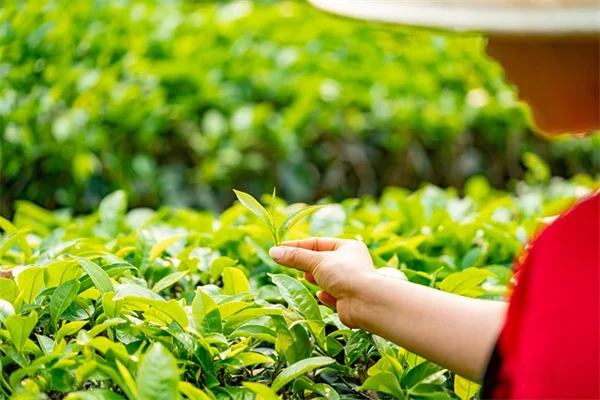
Maple syrup is pure tree sap — it takes about 40 gallons of sap to make one gallon of syrup, according to the USDA. Coffee and chocolate both start as tree crops. Tea leaves come from the Camellia sinensis plant, which is technically a shrub but often grows tree-sized. I've tapped maple trees myself, and let me tell you, boiling down sap is a test of patience. But the result? Pure things made from a tree that you pour on pancakes. Spices like cinnamon come from tree bark, and vanilla beans grow on orchids that climb trees. The edible tree products list is so long that a typical breakfast — coffee, toast with butter, orange juice, and maple syrup — probably involves at least five different trees. You're literally starting your day with forest products.
Spices, Oils, and Surprising Ingredients
Beyond the obvious fruits and nuts, trees contribute to your pantry in sneaky ways. Cinnamon is bark. Vanilla is orchid pods. Nutmeg, allspice, and cloves are tree products too.
Coconut oil comes from the coconut palm. Palm oil (controversial, I know) comes from oil palm trees and shows up in everything from cookies to soap. Tree-derived gums like xanthan gum and guar gum thicken salad dressings and ice cream. Ever wonder what makes your chewing gum chewy? Chicle, the original gum base, comes from the sapodilla tree. Modern gum uses synthetic rubber now, but the tradition started with things made from a tree. I still remember my grandfather telling me about chewing chicle as a kid in Mexico. He'd pull it straight from the tree. That's a far cry from the plastic-wrapped sticks we buy today. But it shows how deeply tree products are woven into human culture — we've been eating, chewing, and drinking from trees for millennia.
Common Misconceptions About Tree Products
 Photos provided by pixabay
The Everyday Items You Use Without Thinking
Most people think things made from a tree have to look like wood. That's simply not true. Rayon clothing feels like silk but comes from wood pulp. Cellophane looks like plastic but it's tree-based.
I once had a friend insist that cork wasn't a tree product because "it's not wood." But cork comes from the bark of the cork oak tree. It's absolutely a tree byproduct. The same confusion happens with rubber — natural rubber comes from the Hevea brasiliensis tree. Latex gloves, rubber bands, and tires all start as tree sap. About 70% of the world's natural rubber comes from Southeast Asian rubber trees, according to the International Rubber Study Group. So if you think products made from trees only include lumber and paper, you're missing rubber, cork, rayon, cellophane, and dozens of other materials. The next time you stretch a rubber band, remember: that's a tree product.
Mistake #2: Thinking Tree Byproducts Are Waste
Another big myth is that tree byproducts are leftovers with little value. Actually, the byproducts of lumber and paper production are incredibly useful. Sawdust becomes particleboard. Bark becomes mulch. Lignin (the glue in wood) becomes vanillin for artificial vanilla flavor.
In modern forestry, nothing goes to waste. The branches and treetops that can't become lumber get chipped for paper pulp or burned for energy. Even the smoke from burning wood can be condensed into liquid smoke for food flavoring. I visited a sawmill in Washington state where they used every part of the log — the high-grade lumber went to furniture, the lower grades went to pallets, the chips went to paper mills, and the sawdust went to a biomass power plant. That's efficiency. So when you ask "what are trees used for?", the answer includes the parts you never see. Things made from a tree extend to the very last splinter.
Sustainability and Tree Products — What You Should Know
Renewable vs. Non-Renewable: Where Trees Win
Here's a question worth asking: Are trees a truly renewable resource? The short answer is yes — if we manage them responsibly. A well-managed forest can produce timber indefinitely.
The key difference between tree products and petroleum-based products is renewability. Plastic comes from oil, which takes millions of years to form. Trees grow back in decades. According to the USDA Forest Service, the US grows about 1.5 times more wood than it harvests each year. That means we're actually increasing our forest volume. But not all logging is sustainable. Clear-cutting old-growth forests destroys ecosystems. Responsible forestry uses selective cutting, replanting, and certification programs like FSC (Forest Stewardship Council). When you buy things made from a tree, look for the FSC label. It means the wood came from a well-managed forest. I always check for it when buying furniture or paper products. It's a small habit that makes a big difference for forest health.
Comparison: Tree Products vs. Alternatives
| Product Category | Tree-Based Option | Petroleum Alternative | Environmental Impact |
|---|---|---|---|
| Clothing | Rayon (from wood pulp) | Polyester (from oil) | Rayon biodegrades faster, but uses chemicals in production |
| Packaging | Cardboard (from trees) | Plastic (from oil) | Cardboard is renewable and recyclable; plastic persists for centuries |
| Fuel | Wood pellets (from sawdust) | Coal (from fossilized plants) | Wood is carbon-neutral if regrown; coal is not |
| Building materials | Cross-laminated timber | Steel and concrete | Timber stores carbon; steel and concrete produce lots of CO2 |
The table above shows why tree products often beat their petroleum counterparts on sustainability. But it's not a perfect solution. Rayon production uses carbon disulfide, which can be toxic to workers. So the "natural" label doesn't automatically mean safe or green. Still, when done right, things made from a tree offer a renewable path forward.
How Trees Touch Your Life Daily — A Personal Take
The Morning Routine I Never Questioned
Let me walk you through my morning and show you how many products made from trees I use before 9 AM. My alarm clock? Plastic case, but the snooze button contains tree-derived resin. I roll out of bed — my mattress contains rayon from wood pulp. I walk on hardwood floors (obvious). I brush my teeth with toothpaste containing SLS from trees.
Then I make coffee. The filter is a tree product. The coffee beans are from a tree. The paper cup I drink from? Also trees. I take a shower, and my shampoo foams because of tree byproducts. My towel is cotton (not from trees), but the rayon blend in my bathrobe is. By the time I leave for work, I've touched at least a dozen things made from a tree without thinking twice. It's humbling to realize how dependent we are on forests. Would modern life even function without trees? Probably not. We'd lose packaging, clothing, medicine, and building materials all at once. Trees are the silent backbone of our daily existence.
What I've Learned From Working in the Industry
I've spent years editing content about forestry and tree products, and the biggest lesson is this: trees are the most versatile raw material on Earth. No other resource gives us food, shelter, medicine, clothing, and fuel from a single source.
But that versatility comes with responsibility. We need to harvest sustainably, replant diligently, and avoid wasting what we take. I've seen both sides — beautifully managed forests in Scandinavia and devastated clear-cuts in the tropics. The difference comes down to regulation and consumer choices. When you buy things made from a tree, you're voting with your wallet. Choose products that are certified sustainable. Support companies that use recycled paper. And maybe plant a tree yourself — I've planted about 50 on my property, and watching them grow feels like an investment in the future. Tree byproducts will keep showing up in your life whether you notice or not. But noticing makes you a more conscious consumer — and that's good for everyone.
Trees' Role in Our Cities — More Than Just Decoration
Why City Planners Rely on Tree Byproducts You Never See
You probably walk past street trees every day and barely give them a second glance. But things made from a tree in urban spaces go way beyond shade and curb appeal — they're literally holding the city together.
Think about the wooden utility poles that carry electricity to your home. About 130 million wooden poles crisscross the US, according to the North American Wood Pole Council. That's a lot of trees holding up your Wi-Fi. Then there's the wooden pallets that deliver everything from groceries to furniture. I once counted the pallets behind a single grocery store — over 200, all from trees. And let's not forget railroad ties, which keep trains on track. A typical mile of railroad uses about 3,000 ties, all treated wood. Would our modern supply chain survive without tree products? Absolutely not. We'd lose the backbone of freight transport, electricity distribution, and even the benches you sit on at the bus stop. Tree byproducts are the quiet infrastructure of daily life.
The Overlooked Value of Urban Tree Canopy
Beyond tangible products, living trees in cities provide services that save you real money. Shade from street trees reduces air conditioning costs by about 30% in summer, according to the USDA Forest Service. That's a tree product you never buy.
I live in a neighborhood with mature oaks, and my summer electric bill runs about $50 less than my friend's house three blocks away with no trees. That's not a coincidence — it's things made from a tree in the form of ecosystem services. Trees also filter stormwater, reducing the need for expensive drainage systems. A single mature tree intercepts about 1,500 gallons of rainwater per year. Multiply that by the millions of street trees in America, and you're looking at billions of gallons of free water management. So when people ask "what are trees used for?", I tell them: they're also air conditioners, water filters, and mental health boosters — all rolled into one renewable package. You can't buy that at the hardware store.
Wood in Unexpected Places — Transportation and Industry
Why You're Riding on Trees Right Now
If you drive a car, take a train, or ride a bike, you're relying on products made from trees more than you realize. The obvious stuff — like wooden car trim or train station benches — is just the start.
Here's a fun fact: early airplanes used wood extensively. The famous Mosquito bomber from World War II was made mostly of wood. Today, some small aircraft still use plywood for structural parts. But more importantly, about 80% of the world's tires use natural rubber from rubber trees, according to the International Rubber Study Group. That means your car is rolling on tree byproducts at every mile. Even the fuel you burn might come from trees — biofuels like ethanol can be made from wood waste. I once drove a car that ran on E85 fuel, and I joked that I was literally driving on corn and trees. But the truth is, wood-based biofuels are a growing industry. Companies like POET and DuPont are turning wood chips into fuel. So next time you fill up, remember: things made from a tree might be powering your engine.
Heavy Machinery and Tree-Derived Lubricants
You wouldn't guess it, but tree products keep heavy machinery running smoothly. Certain lubricants and greases use tree-based oils because they're biodegradable and perform well under pressure.
I talked to a mechanic friend who works on logging equipment, and he told me that chain saws use bar oil made from vegetable oils — often from palm or coconut trees. That's a tree byproduct you'd never associate with a chainsaw. Same goes for some hydraulic fluids and cutting oils in manufacturing. The advantage? They're less toxic if spilled and break down faster than petroleum-based alternatives. Would you believe that even some asphalt sealants contain tree resins? Pine tar and pitch have been used for centuries to waterproof ships and roofs. Modern versions still use these compounds. So when you drive on a freshly paved road, you might be rolling over things made from a tree without knowing it. The industrial world runs on wood in ways that surprise even industry insiders like me.
Comparison: Natural Rubber vs. Synthetic Rubber
| Feature | Natural Rubber (from rubber trees) | Synthetic Rubber (from petroleum) | Key Takeaway |
|---|---|---|---|
| Source | Tree sap (latex) | Crude oil byproducts | Natural is renewable; synthetic is not |
| Elasticity | Excellent — better rebound | Good, but varies by type | Natural wins for high-stress applications like tires |
| Heat resistance | Moderate — degrades above 180°F | Excellent — handles higher temps | Synthetic better for engine components |
| Biodegradability | Biodegrades within 1-2 years in landfill | Persists for hundreds of years | Natural is greener for disposal |
| Cost | About $1.50-2.00 per kg (variable) | About $1.00-1.50 per kg | Synthetic often cheaper, but price fluctuates with oil |
The table above shows that both types have trade-offs. Tree products like natural rubber offer renewability and biodegradability, but synthetic rubber handles heat better. I always check labels on rubber products now. If I can choose a thing made from a tree — like natural rubber gloves or yoga mats — I go for it. It's a small choice that supports sustainable forestry and reduces petroleum dependence.
Wood's Hidden Role in Water and Air Quality
How Trees Clean Your Drinking Water Naturally
You might not think of things made from a tree when you turn on the faucet, but trees play a huge role in keeping your water clean. Forests act as natural filters, trapping sediment and absorbing pollutants before they reach rivers and reservoirs.
About 60% of the US drinking water supply originates from forested watersheds, according to the US Forest Service. That's a free tree product — clean water — that would cost billions to replace with treatment plants. I've hiked in the Catskills, which supply New York City's water, and the forest there does the job of a multi-billion dollar filtration system. The trees absorb nitrogen from fertilizer runoff, slow down heavy rain to prevent erosion, and release water slowly into streams during dry periods. Would you pay for a water filter that costs nothing to run? You already have it — it's called a forest. So when people ask "what are trees used for?", I add "water purification" to the list. Tree byproducts aren't just physical objects; they're ecological services we take for granted.
Air Quality Benefits You Breathe Every Day
You know trees produce oxygen, but did you know they also remove air pollution? A single mature tree absorbs about 48 pounds of carbon dioxide per year and traps particulate matter like dust and smoke on its leaves.
I live near a busy highway, and the tree line between my house and the road makes a noticeable difference in air quality. Studies show that urban trees remove about 200,000 tons of air pollution annually in the US, saving $4.5 billion in health costs. That's things made from a tree in the form of cleaner lungs. Trees also release volatile organic compounds that give forests that fresh, earthy smell — it's actually a natural air freshener. Can you imagine a city without any trees? It would be hotter, dirtier, and less healthy. So next time you take a deep breath in a park, thank the trees. Tree products aren't just lumber and paper; they're the very air you breathe.
Traditional Tree Uses You Might Not Know About
How Indigenous Cultures Used Every Part of the Tree
Before modern industry, people used things made from a tree in ingenious ways that we've largely forgotten. Native Americans used birch bark for canoes, containers, and even roofing. The bark peeled off in large sheets without killing the tree.
I learned this from a friend who's a member of the Ojibwe tribe. He showed me how they make baskets from black ash trees by pounding the log until the growth rings separate into thin strips. That's a tree product that doesn't even require sawing. The same tradition lives on in Japan, where artisans make bentwood boxes from cedar and cypress. And in Scandinavia, they used spruce roots to sew together birch bark for waterproof containers. Did you know that ancient Egyptians used acacia wood to build the first papyrus boats? That's thousands of years of tree byproducts being used for transportation, storage, and shelter. I find it amazing that these techniques still work today — I've tried making a simple birch bark container, and it's surprisingly sturdy. Traditional knowledge reminds us that products made from trees don't require factories or chemicals.
Tree-Based Dyes and Inks You've Seen in Art
Another forgotten use: tree products as colorants. The bark of black walnut trees produces a rich brown dye. Oak galls (growths caused by insects) create black ink that was used for centuries in manuscripts.
I've experimented with natural dyes at home, and the results are gorgeous. Logwood from Central America produces purple, while fustic gives yellow. These were major trade items in the 1700s. Even today, some artists and textile makers prefer things made from a tree for their unique, earthy colors. The US Constitution was written with iron gall ink, which comes from oak trees. That's a tree byproduct that literally shaped American history. So when you see an old map or a vintage painting, the ink or dye might be products made from trees. It's a reminder that art and nature have always been connected. I keep a small jar of walnut ink on my desk as a conversation starter — it's amazing how many people don't realize that tree byproducts can be so artistic.
How to Identify Sustainable Tree Products
The Labels You Should Look For
If you want to buy things made from a tree without hurting forests, you need to know what to look for. The Forest Stewardship Council (FSC) label is the gold standard for responsibly sourced wood and paper.
Other good labels include the Sustainable Forestry Initiative (SFI) and the Programme for the Endorsement of Forest Certification (PEFC). When I buy furniture, I always check for these certifications. About 10-15% of global forests are FSC-certified, so the label isn't everywhere yet. But demand is growing. I also look for recycled content — a notebook with 100% post-consumer recycled paper uses fewer trees than one made from virgin pulp. Does it cost more? Sometimes. But think of it as an investment in forest health. I'd rather pay an extra dollar for an FSC-certified two-by-four than unknowingly support illegal logging. Tree byproducts are everywhere, but your choices shape the industry. Vote with your wallet for a sustainable future.
Simple Steps to Reduce Your Tree Product Footprint
You don't have to go zero-waste to make a difference. Small changes add up. Use both sides of printer paper, recycle cardboard, and choose digital documents when possible.
I set my printer to double-sided by default, and it cut my paper use by half. I also buy bulk paper products with recycled content. For things made from a tree like furniture, I look for secondhand options first. A used wooden table doesn't require cutting down a new tree. And when I do buy new, I choose FSC-certified. If every US household replaced just one roll of virgin paper towels with recycled ones, we'd save about 500,000 trees per year, according to the NRDC. That's a real impact from a tiny change. I also plant a tree every year on Arbor Day. It's a small gesture, but it reminds me that tree products come from living things that need care. You don't have to become a forestry expert — just start noticing the things made from a tree in your life and make one better choice at a time.
E.g. :Products from Trees - Wisconsin County Forests Association
7 Everyday Items Made from Trees - American Forests
Products made from trees worldwide, Minnesota PLT - files
r/woodworking - Reddit
Products made from trees by Sappi
FAQs
Q: Are things made from a tree only limited to lumber and paper?
A: Not at all — and this is the biggest misconception I run into as an editor covering forestry. Most people default to lumber and paper when they think about things made from a tree, but the real list is shockingly long. From the rayon in your T-shirt to the sodium lauryl sulfate in your shampoo, tree byproducts show up in places you'd never guess. Cellulose fibers from wood pulp become sandwich bags, hard hats, and even cigarette filters. Tree chemicals give us menthol for cough drops, scented oils for candles, and pitch for sealing roofs. I've spent years writing about this topic, and every time I think I've covered everything, I discover something new — like the fact that about 30-40% of industrial chemicals in common household products originate from wood processing, according to the Journal of Chemical Education. So next time someone asks what trees are used for, remind them: it's not just boards and paper. It's the foam in your toothpaste, the label on your beer bottle, and the medicine in your cabinet. Once you start looking, you'll see things made from a tree in every room of your house.
Q: Are tree byproducts really valuable, or are they just waste?
A: This is another myth I hear all the time — that tree byproducts are low-value leftovers from lumber production. The truth is exactly the opposite. Modern forestry is built on the principle that nothing goes to waste. Sawdust becomes particleboard and wood pellets for heating. Bark becomes mulch and landscaping material. Lignin — the natural glue in wood — gets turned into vanillin for artificial vanilla flavor. I visited a sawmill in Washington once where they processed every part of the log: high-grade lumber went to furniture, lower grades to pallets, chips to paper mills, and sawdust to a biomass power plant that generated electricity for the mill itself. According to the USDA Forest Service, the US grows about 1.5 times more wood than it harvests each year, so the industry is actually increasing forest volume while using every splinter. That's why I always tell people: when you ask "what are trees used for?", include the parts you never see. Tree byproducts like cork, rubber, and cellulose fibers are incredibly valuable materials that support entire industries. They're not waste — they're the smartest use of a renewable resource we have.
Q: Can trees really be used to make medicine?
A: Absolutely, and this is one of my favorite parts of the things made from a tree list because it's so unexpected. Some of the most important drugs in history come directly from trees. Taxol, a chemotherapy drug for ovarian and breast cancer, comes from the Pacific yew tree. Quinine, the classic malaria treatment, comes from cinchona bark. L-Dopa for Parkinson's disease is derived from the velvet bean plant, which is a tree relative. And here's a fun fact: aspirin originally came from willow bark — ancient Greeks chewed willow bark for pain relief, and modern chemistry just refined the active ingredient. According to the World Health Organization, about 25% of modern pharmaceuticals originate from plants, with trees contributing a significant share. I find it incredible that a single tree product — the Pacific yew — can save lives from cancer, while another tree gives us the foam in our shampoo. The next time you reach for a prescription or an over-the-counter pain reliever, check the origin. You might be using a tree byproduct that's been saving lives for centuries. It's a powerful reminder that forests aren't just for building houses — they're also pharmacies.
Q: Are tree products better for the environment than plastic or synthetic alternatives?
A: In most cases, yes — but it's not a simple black-and-white answer. Tree products are renewable, biodegradable, and store carbon while they grow. That gives them a huge advantage over petroleum-based plastics, which take millions of years to form and centuries to break down. When you compare cardboard to plastic packaging, or wood framing to steel, trees generally win on carbon footprint. Cross-laminated timber, for example, stores carbon and produces far less CO2 than concrete or steel during production. But there are trade-offs. Rayon production uses carbon disulfide, which can be toxic to workers if not handled properly. Unsustainable logging practices like clear-cutting old-growth forests destroy ecosystems. That's why I always recommend looking for the FSC (Forest Stewardship Council) label when you buy things made from a tree. It means the wood came from a responsibly managed forest. According to the USDA, we're actually increasing forest volume in the US, but that doesn't mean every product is sustainable. So yes, tree products are generally greener than alternatives — but only when harvested responsibly. Choose certified sustainable options whenever you can, and you're supporting a renewable resource that benefits the planet.
Q: What are some surprising everyday items that come from trees?
A: Once you start looking, you'll find things made from a tree in the most unexpected places. Let me walk you through some of the biggest surprises. Your shampoo foams because of sodium lauryl sulfate — a tree byproduct from papermaking. That same chemical shows up in toothpaste, laundry detergent, and dish soap. Your deodorant, insecticide, shoe polish, and even crayons all use tree-derived compounds. The rayon in your bathrobe, the cellophane wrapping on your sandwich, the hard hat at a construction site, and the cigarette filter (if you smoke) all start with tree cellulose. In the kitchen, cinnamon comes from tree bark, vanilla from orchid pods that climb trees, and chicle — the original gum base — comes from the sapodilla tree. I still remember my grandfather telling me about chewing chicle straight from the tree as a kid in Mexico. That's a far cry from modern chewing gum, but it shows how deeply tree products are woven into human culture. According to industry estimates, about 70% of the world's natural rubber comes from Southeast Asian rubber trees. So the next time you stretch a rubber band or put on latex gloves, remember: that's a tree product too. The list of things made from a tree is practically endless once you know where to look.