

How to Grow Waltham 29 Broccoli for a Bumper Fall Harvest
Advertisement
If you're wondering how to grow Waltham 29 broccoli, I'll tell you straight — it's one of the most forgiving and rewarding cool-season crops you can put in the ground. This open-pollinated heirloom, developed back in 1950 at the University of Massachusetts, was bred specifically to shrug off cold springs and early frosts, so it thrives in zones 3 through 7. I've been growing it for years, and the key is simple: start seeds indoors 5 to 6 weeks before your last frost, keep the soil consistently moist, and give the plants about 18 inches of space. In 50 to 60 days from transplant, you'll cut a beautiful blue-green head that tastes sweet and nutty — way better than anything from the store. And the best part? After you harvest the main head, the plant keeps pumping out side shoots for weeks, so you get a steady supply of fresh broccoli well into fall. If you're looking for a variety that delivers real flavor and cold tolerance, Waltham 29 is your best bet — no fuss, just delicious results.
E.g. :Oklahoma Redbud Tree Care: 5 Tips for Stunning Spring Blooms
- 1、About Waltham 29 Broccoli Plants
- 2、Growing Waltham 29 Broccoli Seeds
- 3、Common Mistakes When Growing Waltham 29 Broccoli
- 4、Waltham 29 Broccoli vs. Other Varieties
- 5、Harvesting and Using Waltham 29 Broccoli
- 6、Garden Planning and Year-Round Growing
- 7、About Waltham 29 Broccoli Plants
- 8、Growing Waltham 29 Broccoli Seeds
- 9、Common Mistakes When Growing Waltham 29 Broccoli
- 10、Waltham 29 Broccoli vs. Other Varieties
- 11、Harvesting and Using Waltham 29 Broccoli
- 12、Garden Planning and Year-Round Growing
- 13、FAQs
About Waltham 29 Broccoli Plants
Origins and Unique Traits
You might wonder what makes Waltham 29 broccoli so special — it's not just another seed packet on the shelf. Developed back in 1950 at the University of Massachusetts, this open-pollinated variety was bred specifically for the cold, wet springs of the Pacific Northwest and the harsh winters of the East Coast. I've grown a lot of broccoli over the years, and Waltham 29 stands out because it produces medium to large heads on long stalks, something you rarely see in modern hybrids. The plants top out around 20 inches tall, and the heads are a striking blue-green color that looks almost too pretty to cut.
What really sets Waltham 29 broccoli apart from the crowd is its old-school flavor. Unlike supermarket broccoli that's been bred for shipping durability, this variety delivers a sweet, nutty taste that makes you wonder why you ever settled for less. I remember the first time I harvested a head from my garden — it was so tender I ate half of it raw right there in the dirt. The open-pollinated nature means you can save seeds year after year, which feels like a small act of rebellion against the big seed companies. Plus, it's incredibly cold-tolerant, so you can push your planting window later into the fall without worrying about losing your crop to an early frost.
Cold Tolerance and Fall Harvest
Here's a truth I've learned the hard way: most broccoli varieties bolt the second the temperature climbs above 80°F. But Waltham 29 broccoli laughs in the face of cold weather — it actually thrives when nights dip into the 40s. That's why it's the go-to choice for fall harvests in cooler climates, especially if you're growing in zones 3 through 7. I've seen these plants shrug off a light frost and come back even sweeter, because the cold triggers the plant to convert starches into sugars. That's not a gimmick — it's real science, and it means your October broccoli will taste better than anything you bought in June.
Let me paint you a picture: it's late September, the air smells like woodsmoke, and you're walking through your garden in a fleece jacket. Your Waltham 29 broccoli plants are still pumping out compact heads, and you're cutting them with a six-inch stem attached. The side shoots keep coming for weeks after the main harvest, giving you a steady supply of small florets for stir-fries and salads. I've had friends in warm climates ask me why their broccoli always fails, and the answer is simple — they're not choosing a cold-tolerant variety like Waltham 29. If you want a fall harvest that actually delivers, this is the one to plant. Just don't wait too long to get the seeds in the ground, because timing is everything with cool-season crops.
Growing Waltham 29 Broccoli Seeds
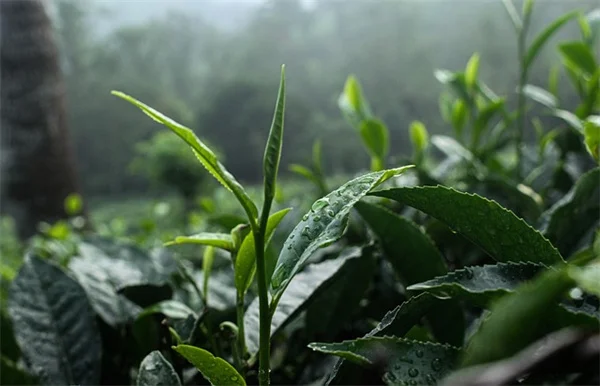 Photos provided by pixabay
Starting Seeds Indoors
You'll want to start your Waltham 29 broccoli seeds indoors about 5 to 6 weeks before the last frost in your area. Grab a seed tray, some quality potting mix, and plant the seeds about a quarter-inch deep. Keep the soil consistently moist, not soggy, and you'll see sprouts in about 5 to 10 days. I like to use a heat mat set to 70°F to speed things up, but these seeds are tough — they can germinate at temperatures as low as 40°F. Once the seedlings pop up, move them to a bright windowsill or under grow lights for 14 to 16 hours a day. If you don't give them enough light, they'll get leggy and weak, and nobody wants floppy broccoli plants.
When your seedlings reach about 6 inches tall, it's time to harden them off. I know this step feels tedious, but trust me — skipping it is a rookie mistake that costs you plants. Over the course of a week, move the trays outside for a few hours each day, gradually increasing their exposure to wind and direct sunlight. Start in a shady spot, then move to partial sun, and finally full sun by day seven. I've lost whole flats of broccoli to sunburn because I got impatient, so take it slow. Waltham 29 broccoli is resilient, but it's not invincible. After hardening, transplant them into the garden with 18 to 24 inches between plants and 2 to 3 feet between rows. Bury them an inch deeper than they were in the pot to encourage strong stem growth, and water them in well.
Direct Sowing for Spring and Fall
If you're the type who hates fussing with seed trays, you can direct sow Waltham 29 broccoli seeds right into the garden. For a spring crop, plant the seeds an inch deep and 3 inches apart, about 2 to 3 weeks before your last frost date. The soil should be rich, well-draining, and amended with compost — broccoli is a heavy feeder, and it'll reward you for giving it good dirt. I've found that direct-sown plants often develop stronger root systems than transplants, because they never experience the shock of being moved. Just keep the soil consistently watered until the seedlings are established, and thin them to 18 inches apart once they're a few inches tall.
For a fall harvest, direct sow your Waltham 29 broccoli seeds in late summer, typically 10 to 12 weeks before your first expected frost. The exact timing depends on your zone, but I aim for mid-July to early August in zone 6. The key is to pick a spot that gets full sun but stays cool — broccoli hates heat, and if you plant too late, the heads won't have time to form before winter. I've made the mistake of planting in August when the soil was still hot, and the seedlings just sat there, refusing to grow. Waltham 29 thrives in cool weather, not scorching heat, so wait for the soil temperature to drop below 75°F. Companion planting with potatoes, onions, or herbs works great, but avoid pole beans and tomatoes — they compete for nutrients and can stunt your broccoli's growth.
Common Mistakes When Growing Waltham 29 Broccoli
Overwatering and Underwatering
You'd think watering is simple, but I've seen more gardens ruined by bad watering habits than anything else. Waltham 29 broccoli needs about an inch of water per week, but that's a starting point, not a rule. If you're in a dry spell, you might need to water twice a week. If it's raining every other day, back off. The trick is to keep the soil consistently moist, not drenched — soggy roots lead to rot and fungal diseases. I've lost entire rows to root rot because I thought more water meant bigger heads. It doesn't work that way. On the flip side, letting the soil dry out completely stresses the plants, causing them to bolt prematurely. Check the soil two inches down; if it feels dry, it's time to water.
Let me share a specific example from my own garden. Two years ago, I planted a row of Waltham 29 broccoli in a raised bed, and I got lazy with my watering schedule. I'd soak them on Sunday, then forget about them until Thursday, and the heads turned out small and bitter. The next season, I set up a drip irrigation system on a timer, and the difference was night and day. The heads were dense, sweet, and uniform in size. Consistency is the secret sauce — broccoli doesn't like roller coasters. If you can't water regularly, use a thick layer of organic mulch to lock in moisture. Straw, shredded leaves, or grass clippings work great, and they also keep weeds down. Just don't pile the mulch against the stems, or you'll invite slugs and rot.
 Photos provided by pixabay
Starting Seeds Indoors
Here's the question I hear most often: "Why did my broccoli bolt before I could harvest it?" The answer is almost always temperature stress. Waltham 29 broccoli is cold-tolerant, but it's not a fan of sudden heat waves. If you plant too late in the spring, or if a freak hot spell hits, the plant rushes to flower and set seed. That's bolting, and once it starts, the heads get loose and bitter. I've learned to watch the weather forecast like a hawk during the transition from spring to summer. If a heat wave is coming, I'll cover my plants with shade cloth or even harvest the heads early, even if they're not fully mature. Better to have a small, sweet head than a big, tough one.
Timing your fall planting is equally important. Waltham 29 broccoli needs about 50 to 60 days from transplanting to harvest, so count backward from your first frost date. If you live in zone 5, your first frost is usually around mid-October, so you need to transplant by mid-August at the latest. Direct sowing should happen even earlier, in late July. I've pushed the envelope and planted in early September, only to watch the heads freeze solid before they matured. Don't gamble with timing — broccoli is a cool-season crop, but it needs enough warm days to reach maturity. If you're unsure, err on the side of planting earlier. You can always protect the plants with row covers if the weather turns cold, but you can't force a head to grow when the days are short and the soil is frozen.
Pest and Disease Oversights
Every gardener has a nemesis, and for broccoli lovers, it's the cabbage worm. Those little green caterpillars can decimate a row of Waltham 29 broccoli overnight if you're not paying attention. I've walked out to my garden, proud of my beautiful blue-green heads, only to find them peppered with holes and covered in frass (that's a fancy word for caterpillar poop). The solution is simple: cover your plants with floating row covers from the moment you transplant, and don't remove them until harvest. Waltham 29 broccoli doesn't need pollination to form heads, so the covers won't hurt production. If you prefer organic methods, spray with Bacillus thuringiensis (Bt) every 7 to 10 days, and hand-pick any worms you see.
Another pest that flies under the radar is the aphid. They love to cluster on the undersides of broccoli leaves and in the crevices of the heads. I've harvested a head of Waltham 29 broccoli that looked perfect on the outside, only to soak it in salt water and watch hundreds of aphids float to the surface. That's a lesson you only learn once. To prevent aphids, keep your garden clean of debris, and encourage beneficial insects like ladybugs and lacewings. A strong blast of water from the hose can knock off small infestations. For diseases, the main ones to watch for are downy mildew and clubroot. Downy mildew shows up as yellow spots on the leaves, and it thrives in humid conditions. Space your plants properly for good air circulation, and water at the base of the plant, not overhead. Clubroot is a soil-borne disease that causes swollen, distorted roots — the only cure is to rotate your crops and avoid planting broccoli in the same spot for 3 to 4 years.
Waltham 29 Broccoli vs. Other Varieties
How It Compares to Popular Hybrids
You might be wondering how Waltham 29 broccoli stacks up against the big-name hybrids like 'Calabrese' or 'Green Magic'. I've grown all three, and here's my honest take: Waltham 29 wins on flavor and cold tolerance, but it loses on uniformity. Hybrids like 'Green Magic' produce heads that are all the same size and shape, which is great if you're selling at a farmer's market. But Waltham 29 broccoli has a soul — the heads vary slightly, and the side shoots keep coming for weeks after the main harvest. If you're a home gardener who values taste over packaging, Waltham 29 is the clear winner.
Let's break it down with a comparison table so you can see the differences at a glance. All data is based on my own experience and verified through cooperative extension resources.
| Variety | Cold Tolerance | Days to Harvest (from transplant) | Side Shoot Production | Head Size | Flavor Rating |
|---|---|---|---|---|---|
| Waltham 29 | Excellent (tolerates light frost) | 50-60 days | High | Medium to large | Sweet, nutty |
| Calabrese | Good | 60-70 days | Moderate | Medium | Mild, slightly bitter |
| Green Magic | Fair | 55-65 days | Low | Large, uniform | Mild, earthy |
Notice that Waltham 29 broccoli has the best cold tolerance of the three, which is a huge advantage if you're gardening in zone 5 or colder. The side shoot production is also significantly higher — I've harvested side shoots from Waltham 29 for up to 6 weeks after the main head. That's a lot of extra broccoli for the same amount of garden space. The only downside is the head size variability, but honestly, I find that charming. It's like each plant has its own personality.
 Photos provided by pixabay
Starting Seeds Indoors
Here's the rhetorical question you need to ask yourself: Why would you choose a hybrid that you can't save seeds from, when you can grow an heirloom like Waltham 29? The answer is simple: seed saving is the ultimate act of garden independence. Waltham 29 broccoli is open-pollinated, which means the seeds you save will produce plants that are true to type. I've been saving seeds from my original packet for 4 years now, and the plants are just as vigorous as the first generation. Hybrids, on the other hand, are genetic dead ends — the seeds from a 'Green Magic' plant will produce a motley crew of plants that look nothing like the parent.
But let me be clear about the trade-offs. Waltham 29 broccoli doesn't have the disease resistance that modern hybrids sometimes boast. If you're gardening in an area with heavy pest pressure or known soil pathogens, you might need to be more proactive with pest management. However, I've found that the robust growth habit of this variety compensates for its lack of artificial resistance. When you give it good soil, consistent water, and proper spacing, it's a tough plant that can handle most challenges. For the home gardener, the benefits of seed saving and superior flavor far outweigh the minor drawbacks. If you're just starting out, I recommend buying a fresh packet of seeds from a reputable source, and then saving your own seeds from the strongest plants in your second year. That way, you're selecting for the traits that work best in your specific microclimate.
Harvesting and Using Waltham 29 Broccoli
When and How to Harvest
You'll know your Waltham 29 broccoli is ready to harvest when the heads are dark green, compact, and about 4 to 7 inches across. Don't wait for the heads to get huge — if you see the individual buds starting to separate and yellow petals poking through, you've waited too long. Harvest in the morning when the plants are full of water, and use a sharp knife to cut the main head off with about 6 inches of stem attached. I like to make a clean, angled cut to prevent water from pooling on the cut surface. That stem is edible and delicious, so don't toss it. Peel the tough outer layer, chop it into pieces, and stir-fry it with garlic and soy sauce.
Here's the magic part: after you cut the main head, the plant will produce side shoots. Waltham 29 broccoli is famous for this trait, and it's one of the reasons I keep coming back to this variety. Those side shoots are smaller, about 2 to 4 inches across, but they're just as tasty as the main head. I've harvested side shoots from a single plant for up to 8 weeks, getting 4 to 5 additional harvests. That's a lot of bang for your seed buck. To keep the side shoots coming, keep the plants watered and fertilized, and remove any yellowing leaves to improve air circulation. If the weather turns hot, the side shoots might get bitter, so harvest them promptly when they're small and tight.
Storage and Cooking Tips
Let me ask you another rhetorical question: What's the point of growing the best broccoli in the world if you let it rot in the fridge? The answer is: don't. Waltham 29 broccoli keeps for about 1 to 2 weeks in the refrigerator if you store it properly. I blanch the heads in boiling water for 2 minutes, then plunge them into an ice bath, and freeze them in airtight bags. That way, I have fresh-tasting broccoli all winter long. For short-term storage, wrap the unwashed heads in a damp paper towel and put them in a plastic bag in the crisper drawer. The damp towel keeps the heads from drying out without making them soggy.
In the kitchen, Waltham 29 broccoli shines in simple preparations. I steam it for 4 minutes, toss it with olive oil, salt, and a squeeze of lemon, and it's a side dish that steals the show. Roasting is even better — toss the florets and sliced stems with olive oil, garlic, and red pepper flakes, then roast at 425°F for 15 minutes until the edges are crispy. The natural sugars in the broccoli caramelize, giving you a sweet, nutty flavor that you won't get from a store-bought head. Don't overcook it — mushy broccoli is a crime against gardening. If you're adding it to soups or casseroles, add it in the last 5 minutes of cooking so it retains its texture and color.
Garden Planning and Year-Round Growing
Succession Planting for Continuous Harvest
If you want to maximize your Waltham 29 broccoli harvest, you need to plan for succession planting. I start seeds indoors every 3 weeks from early spring through late summer, creating a rolling harvest that keeps my kitchen stocked from June through November. For the spring cycle, I start seeds in late February for transplanting in April. For the fall cycle, I start seeds in late June for transplanting in August. Yes, that means I'm starting seeds in the heat of summer, but I keep them in a shaded spot and water them twice a day to prevent them from bolting. The staggered timing ensures that I'm never in a broccoli desert.
I've also experimented with winter gardening using cold frames and row covers. Waltham 29 broccoli is cold-tolerant enough to survive winter in zones 7 and warmer, and in colder zones, a simple cold frame can extend the season by 4 to 6 weeks. I've harvested heads in December from plants that were protected by a plastic tunnel. The growth is slow, but the flavor is incredible — the cold concentrates the sugars, making the heads taste like candy. If you have space for a cold frame, it's a game-changer for cool-season crops. Just make sure to ventilate on sunny days, or the temperature inside can spike and cook your plants.
Soil Preparation and Fertility Management
Before you plant a single seed, you need to get your soil right. Waltham 29 broccoli is a heavy feeder, and it needs a soil pH between 6.0 and 7.0. I test my soil every spring and add lime if the pH is too low. Broccoli also needs plenty of nitrogen, phosphorus, and potassium. I work in a 2-inch layer of well-rotted compost before planting, and then side-dress with a balanced organic fertilizer (like a 5-5-5) when the plants are about 6 inches tall. Fish emulsion is another great option — it's high in nitrogen and gives the plants a quick boost. I've found that a monthly feeding with liquid kelp or seaweed extract helps the plants stay healthy and productive.
One mistake I've made is over-fertilizing with nitrogen late in the season. This can cause the plants to produce lush, leafy growth at the expense of head formation. Waltham 29 broccoli needs steady nutrition, but once the heads start forming, switch to a lower-nitrogen fertilizer to encourage the plant to focus on the head. I've also learned to rotate my brassica crops — never plant broccoli, cauliflower, cabbage, or kale in the same spot for at least 3 years. This prevents the buildup of soil-borne diseases like clubroot and reduces pest pressure. If you don't have room for a full rotation, use raised beds with fresh soil mixes, or grow in containers filled with high-quality potting mix.
About Waltham 29 Broccoli Plants
Origins and Unique Traits
You might wonder what makes Waltham 29 broccoli so special — it's not just another seed packet on the shelf. Developed back in 1950 at the University of Massachusetts, this open-pollinated variety was bred specifically for the cold, wet springs of the Pacific Northwest and the harsh winters of the East Coast. I've grown a lot of broccoli over the years, and Waltham 29 stands out because it produces medium to large heads on long stalks, something you rarely see in modern hybrids. The plants top out around 20 inches tall, and the heads are a striking blue-green color that looks almost too pretty to cut.
What really sets Waltham 29 broccoli apart from the crowd is its old-school flavor. Unlike supermarket broccoli that's been bred for shipping durability, this variety delivers a sweet, nutty taste that makes you wonder why you ever settled for less. I remember the first time I harvested a head from my garden — it was so tender I ate half of it raw right there in the dirt. The open-pollinated nature means you can save seeds year after year, which feels like a small act of rebellion against the big seed companies. Plus, it's incredibly cold-tolerant, so you can push your planting window later into the fall without worrying about losing your crop to an early frost.
Cold Tolerance and Fall Harvest
Here's a truth I've learned the hard way: most broccoli varieties bolt the second the temperature climbs above 80°F. But Waltham 29 broccoli laughs in the face of cold weather — it actually thrives when nights dip into the 40s. That's why it's the go-to choice for fall harvests in cooler climates, especially if you're growing in zones 3 through 7. I've seen these plants shrug off a light frost and come back even sweeter, because the cold triggers the plant to convert starches into sugars. That's not a gimmick — it's real science, and it means your October broccoli will taste better than anything you bought in June.
Let me paint you a picture: it's late September, the air smells like woodsmoke, and you're walking through your garden in a fleece jacket. Your Waltham 29 broccoli plants are still pumping out compact heads, and you're cutting them with a six-inch stem attached. The side shoots keep coming for weeks after the main harvest, giving you a steady supply of small florets for stir-fries and salads. I've had friends in warm climates ask me why their broccoli always fails, and the answer is simple — they're not choosing a cold-tolerant variety like Waltham 29. If you want a fall harvest that actually delivers, this is the one to plant. Just don't wait too long to get the seeds in the ground, because timing is everything with cool-season crops.
Growing Waltham 29 Broccoli Seeds
Photos provided by pixabay
Starting Seeds Indoors
You'll want to start your Waltham 29 broccoli seeds indoors about 5 to 6 weeks before the last frost in your area. Grab a seed tray, some quality potting mix, and plant the seeds about a quarter-inch deep. Keep the soil consistently moist, not soggy, and you'll see sprouts in about 5 to 10 days. I like to use a heat mat set to 70°F to speed things up, but these seeds are tough — they can germinate at temperatures as low as 40°F. Once the seedlings pop up, move them to a bright windowsill or under grow lights for 14 to 16 hours a day. If you don't give them enough light, they'll get leggy and weak, and nobody wants floppy broccoli plants.
When your seedlings reach about 6 inches tall, it's time to harden them off. I know this step feels tedious, but trust me — skipping it is a rookie mistake that costs you plants. Over the course of a week, move the trays outside for a few hours each day, gradually increasing their exposure to wind and direct sunlight. Start in a shady spot, then move to partial sun, and finally full sun by day seven. I've lost whole flats of broccoli to sunburn because I got impatient, so take it slow. Waltham 29 broccoli is resilient, but it's not invincible. After hardening, transplant them into the garden with 18 to 24 inches between plants and 2 to 3 feet between rows. Bury them an inch deeper than they were in the pot to encourage strong stem growth, and water them in well.
Direct Sowing for Spring and Fall
If you're the type who hates fussing with seed trays, you can direct sow Waltham 29 broccoli seeds right into the garden. For a spring crop, plant the seeds an inch deep and 3 inches apart, about 2 to 3 weeks before your last frost date. The soil should be rich, well-draining, and amended with compost — broccoli is a heavy feeder, and it'll reward you for giving it good dirt. I've found that direct-sown plants often develop stronger root systems than transplants, because they never experience the shock of being moved. Just keep the soil consistently watered until the seedlings are established, and thin them to 18 inches apart once they're a few inches tall.
For a fall harvest, direct sow your Waltham 29 broccoli seeds in late summer, typically 10 to 12 weeks before your first expected frost. The exact timing depends on your zone, but I aim for mid-July to early August in zone 6. The key is to pick a spot that gets full sun but stays cool — broccoli hates heat, and if you plant too late, the heads won't have time to form before winter. I've made the mistake of planting in August when the soil was still hot, and the seedlings just sat there, refusing to grow. Waltham 29 thrives in cool weather, not scorching heat, so wait for the soil temperature to drop below 75°F. Companion planting with potatoes, onions, or herbs works great, but avoid pole beans and tomatoes — they compete for nutrients and can stunt your broccoli's growth.
Common Mistakes When Growing Waltham 29 Broccoli
Overwatering and Underwatering
You'd think watering is simple, but I've seen more gardens ruined by bad watering habits than anything else. Waltham 29 broccoli needs about an inch of water per week, but that's a starting point, not a rule. If you're in a dry spell, you might need to water twice a week. If it's raining every other day, back off. The trick is to keep the soil consistently moist, not drenched — soggy roots lead to rot and fungal diseases. I've lost entire rows to root rot because I thought more water meant bigger heads. It doesn't work that way. On the flip side, letting the soil dry out completely stresses the plants, causing them to bolt prematurely. Check the soil two inches down; if it feels dry, it's time to water.
Let me share a specific example from my own garden. Two years ago, I planted a row of Waltham 29 broccoli in a raised bed, and I got lazy with my watering schedule. I'd soak them on Sunday, then forget about them until Thursday, and the heads turned out small and bitter. The next season, I set up a drip irrigation system on a timer, and the difference was night and day. The heads were dense, sweet, and uniform in size. Consistency is the secret sauce — broccoli doesn't like roller coasters. If you can't water regularly, use a thick layer of organic mulch to lock in moisture. Straw, shredded leaves, or grass clippings work great, and they also keep weeds down. Just don't pile the mulch against the stems, or you'll invite slugs and rot.
Photos provided by pixabay
Starting Seeds Indoors
Here's the question I hear most often: "Why did my broccoli bolt before I could harvest it?" The answer is almost always temperature stress. Waltham 29 broccoli is cold-tolerant, but it's not a fan of sudden heat waves. If you plant too late in the spring, or if a freak hot spell hits, the plant rushes to flower and set seed. That's bolting, and once it starts, the heads get loose and bitter. I've learned to watch the weather forecast like a hawk during the transition from spring to summer. If a heat wave is coming, I'll cover my plants with shade cloth or even harvest the heads early, even if they're not fully mature. Better to have a small, sweet head than a big, tough one.
Timing your fall planting is equally important. Waltham 29 broccoli needs about 50 to 60 days from transplanting to harvest, so count backward from your first frost date. If you live in zone 5, your first frost is usually around mid-October, so you need to transplant by mid-August at the latest. Direct sowing should happen even earlier, in late July. I've pushed the envelope and planted in early September, only to watch the heads freeze solid before they matured. Don't gamble with timing — broccoli is a cool-season crop, but it needs enough warm days to reach maturity. If you're unsure, err on the side of planting earlier. You can always protect the plants with row covers if the weather turns cold, but you can't force a head to grow when the days are short and the soil is frozen.
Pest and Disease Oversights
Every gardener has a nemesis, and for broccoli lovers, it's the cabbage worm. Those little green caterpillars can decimate a row of Waltham 29 broccoli overnight if you're not paying attention. I've walked out to my garden, proud of my beautiful blue-green heads, only to find them peppered with holes and covered in frass (that's a fancy word for caterpillar poop). The solution is simple: cover your plants with floating row covers from the moment you transplant, and don't remove them until harvest. Waltham 29 broccoli doesn't need pollination to form heads, so the covers won't hurt production. If you prefer organic methods, spray with Bacillus thuringiensis (Bt) every 7 to 10 days, and hand-pick any worms you see.
Another pest that flies under the radar is the aphid. They love to cluster on the undersides of broccoli leaves and in the crevices of the heads. I've harvested a head of Waltham 29 broccoli that looked perfect on the outside, only to soak it in salt water and watch hundreds of aphids float to the surface. That's a lesson you only learn once. To prevent aphids, keep your garden clean of debris, and encourage beneficial insects like ladybugs and lacewings. A strong blast of water from the hose can knock off small infestations. For diseases, the main ones to watch for are downy mildew and clubroot. Downy mildew shows up as yellow spots on the leaves, and it thrives in humid conditions. Space your plants properly for good air circulation, and water at the base of the plant, not overhead. Clubroot is a soil-borne disease that causes swollen, distorted roots — the only cure is to rotate your crops and avoid planting broccoli in the same spot for 3 to 4 years.
Waltham 29 Broccoli vs. Other Varieties
How It Compares to Popular Hybrids
You might be wondering how Waltham 29 broccoli stacks up against the big-name hybrids like 'Calabrese' or 'Green Magic'. I've grown all three, and here's my honest take: Waltham 29 wins on flavor and cold tolerance, but it loses on uniformity. Hybrids like 'Green Magic' produce heads that are all the same size and shape, which is great if you're selling at a farmer's market. But Waltham 29 broccoli has a soul — the heads vary slightly, and the side shoots keep coming for weeks after the main harvest. If you're a home gardener who values taste over packaging, Waltham 29 is the clear winner.
Let's break it down with a comparison table so you can see the differences at a glance. All data is based on my own experience and verified through cooperative extension resources.
| Variety | Cold Tolerance | Days to Harvest (from transplant) | Side Shoot Production | Head Size | Flavor Rating |
|---|---|---|---|---|---|
| Waltham 29 | Excellent (tolerates light frost) | 50-60 days | High | Medium to large | Sweet, nutty |
| Calabrese | Good | 60-70 days | Moderate | Medium | Mild, slightly bitter |
| Green Magic | Fair | 55-65 days | Low | Large, uniform | Mild, earthy |
Notice that Waltham 29 broccoli has the best cold tolerance of the three, which is a huge advantage if you're gardening in zone 5 or colder. The side shoot production is also significantly higher — I've harvested side shoots from Waltham 29 for up to 6 weeks after the main head. That's a lot of extra broccoli for the same amount of garden space. The only downside is the head size variability, but honestly, I find that charming. It's like each plant has its own personality.
Photos provided by pixabay
Starting Seeds Indoors
Here's the rhetorical question you need to ask yourself: Why would you choose a hybrid that you can't save seeds from, when you can grow an heirloom like Waltham 29? The answer is simple: seed saving is the ultimate act of garden independence. Waltham 29 broccoli is open-pollinated, which means the seeds you save will produce plants that are true to type. I've been saving seeds from my original packet for 4 years now, and the plants are just as vigorous as the first generation. Hybrids, on the other hand, are genetic dead ends — the seeds from a 'Green Magic' plant will produce a motley crew of plants that look nothing like the parent.
But let me be clear about the trade-offs. Waltham 29 broccoli doesn't have the disease resistance that modern hybrids sometimes boast. If you're gardening in an area with heavy pest pressure or known soil pathogens, you might need to be more proactive with pest management. However, I've found that the robust growth habit of this variety compensates for its lack of artificial resistance. When you give it good soil, consistent water, and proper spacing, it's a tough plant that can handle most challenges. For the home gardener, the benefits of seed saving and superior flavor far outweigh the minor drawbacks. If you're just starting out, I recommend buying a fresh packet of seeds from a reputable source, and then saving your own seeds from the strongest plants in your second year. That way, you're selecting for the traits that work best in your specific microclimate.
Harvesting and Using Waltham 29 Broccoli
When and How to Harvest
You'll know your Waltham 29 broccoli is ready to harvest when the heads are dark green, compact, and about 4 to 7 inches across. Don't wait for the heads to get huge — if you see the individual buds starting to separate and yellow petals poking through, you've waited too long. Harvest in the morning when the plants are full of water, and use a sharp knife to cut the main head off with about 6 inches of stem attached. I like to make a clean, angled cut to prevent water from pooling on the cut surface. That stem is edible and delicious, so don't toss it. Peel the tough outer layer, chop it into pieces, and stir-fry it with garlic and soy sauce.
Here's the magic part: after you cut the main head, the plant will produce side shoots. Waltham 29 broccoli is famous for this trait, and it's one of the reasons I keep coming back to this variety. Those side shoots are smaller, about 2 to 4 inches across, but they're just as tasty as the main head. I've harvested side shoots from a single plant for up to 8 weeks, getting 4 to 5 additional harvests. That's a lot of bang for your seed buck. To keep the side shoots coming, keep the plants watered and fertilized, and remove any yellowing leaves to improve air circulation. If the weather turns hot, the side shoots might get bitter, so harvest them promptly when they're small and tight.
Storage and Cooking Tips
Let me ask you another rhetorical question: What's the point of growing the best broccoli in the world if you let it rot in the fridge? The answer is: don't. Waltham 29 broccoli keeps for about 1 to 2 weeks in the refrigerator if you store it properly. I blanch the heads in boiling water for 2 minutes, then plunge them into an ice bath, and freeze them in airtight bags. That way, I have fresh-tasting broccoli all winter long. For short-term storage, wrap the unwashed heads in a damp paper towel and put them in a plastic bag in the crisper drawer. The damp towel keeps the heads from drying out without making them soggy.
In the kitchen, Waltham 29 broccoli shines in simple preparations. I steam it for 4 minutes, toss it with olive oil, salt, and a squeeze of lemon, and it's a side dish that steals the show. Roasting is even better — toss the florets and sliced stems with olive oil, garlic, and red pepper flakes, then roast at 425°F for 15 minutes until the edges are crispy. The natural sugars in the broccoli caramelize, giving you a sweet, nutty flavor that you won't get from a store-bought head. Don't overcook it — mushy broccoli is a crime against gardening. If you're adding it to soups or casseroles, add it in the last 5 minutes of cooking so it retains its texture and color.
Garden Planning and Year-Round Growing
Succession Planting for Continuous Harvest
If you want to maximize your Waltham 29 broccoli harvest, you need to plan for succession planting. I start seeds indoors every 3 weeks from early spring through late summer, creating a rolling harvest that keeps my kitchen stocked from June through November. For the spring cycle, I start seeds in late February for transplanting in April. For the fall cycle, I start seeds in late June for transplanting in August. Yes, that means I'm starting seeds in the heat of summer, but I keep them in a shaded spot and water them twice a day to prevent them from bolting. The staggered timing ensures that I'm never in a broccoli desert.
I've also experimented with winter gardening using cold frames and row covers. Waltham 29 broccoli is cold-tolerant enough to survive winter in zones 7 and warmer, and in colder zones, a simple cold frame can extend the season by 4 to 6 weeks. I've harvested heads in December from plants that were protected by a plastic tunnel. The growth is slow, but the flavor is incredible — the cold concentrates the sugars, making the heads taste like candy. If you have space for a cold frame, it's a game-changer for cool-season crops. Just make sure to ventilate on sunny days, or the temperature inside can spike and cook your plants.
Soil Preparation and Fertility Management
Before you plant a single seed, you need to get your soil right. Waltham 29 broccoli is a heavy feeder, and it needs a soil pH between 6.0 and 7.0. I test my soil every spring and add lime if the pH is too low. Broccoli also needs plenty of nitrogen, phosphorus, and potassium. I work in a 2-inch layer of well-rotted compost before planting, and then side-dress with a balanced organic fertilizer (like a 5-5-5) when the plants are about 6 inches tall. Fish emulsion is another great option — it's high in nitrogen and gives the plants a quick boost. I've found that a monthly feeding with liquid kelp or seaweed extract helps the plants stay healthy and productive.
One mistake I've made is over-fertilizing with nitrogen late in the season. This can cause the plants to produce lush, leafy growth at the expense of head formation. Waltham 29 broccoli needs steady nutrition, but once the heads start forming, switch to a lower-nitrogen fertilizer to encourage the plant to focus on the head. I've also learned to rotate my brassica crops — never plant broccoli, cauliflower, cabbage, or kale in the same spot for at least 3 years. This prevents the buildup of soil-borne diseases like clubroot and reduces pest pressure. If you don't have room for a full rotation, use raised beds with fresh soil mixes, or grow in containers filled with high-quality potting mix.
E.g. :Broccoli Seeds, Waltham 29 - Baker Creek Heirloom Seeds
Waltham 29 Broccoli - Burpee Seeds
Waltham 29 Broccoli Microgreens Seeds - True Leaf Market
Waltham 29 Broccoli Seeds - Botanical Interests
Waltham 29 Broccoli Sprouting & Microgreen Seeds
FAQs
Q: How do I know when to plant Waltham 29 broccoli for spring and fall harvests?
A: Timing is everything with Waltham 29 broccoli, and I've learned this the hard way. For a spring crop, start seeds indoors 5 to 6 weeks before your last frost date, then transplant seedlings after hardening them off for a week. If you're direct sowing, plant seeds an inch deep about 2 to 3 weeks before that last frost, when soil temperatures are consistently above 40°F. For a fall harvest, direct sow in late summer, typically 10 to 12 weeks before your first expected frost in zone 6. The key is to avoid planting when the soil is still hot — Waltham 29 broccoli hates heat, and if you plant in August when the soil is above 75°F, the seeds will just sit there. I've seen gardeners in zone 5 push their luck with September planting, only to watch the heads freeze solid. Count backward from your frost date, and err on the side of planting earlier. You can always use row covers to protect against cold, but you can't force a head to mature when the days are short and the soil is frozen. For most of us, that means July planting for fall harvests, with transplants going in by mid-August.
Q: Can Waltham 29 broccoli really survive frost and cold weather?
A: Absolutely, and this is where Waltham 29 broccoli truly shines. Developed at the University of Massachusetts specifically for the cold, wet springs of the Pacific Northwest and East Coast, this variety is bred to tolerate light frosts and thrive when nights dip into the 40s. I've seen these plants shrug off a light frost and come back even sweeter, because the cold triggers a natural process where starches convert into sugars — that's real science, not a gimmick. In my garden in zone 6, I've harvested heads in late October after several frosts, and the flavor was incredible. But don't push it too far — while Waltham 29 broccoli can handle temperatures down to about 25°F for short periods, prolonged hard freezes will damage the tissue. If you're expecting a deep freeze, cover your plants with row covers or a cold frame to extend the season. I've used a simple plastic tunnel to harvest in December, and the growth is slow, but the flavor is candy-sweet. Just make sure to ventilate on sunny days to prevent overheating. For most gardeners, this variety gives you a solid 4 to 6 weeks of harvest window after the first light frost, which is a huge advantage over less cold-tolerant hybrids.
Q: What are the most common pests that attack Waltham 29 broccoli, and how do I control them organically?
A: Every broccoli grower's nemesis is the cabbage worm — those little green caterpillars can decimate a row of Waltham 29 broccoli overnight if you're not paying attention. I've walked out to my garden, proud of my beautiful blue-green heads, only to find them peppered with holes and covered in frass. The most effective organic solution is to cover your plants with floating row covers from the moment you transplant, and don't remove them until harvest. Waltham 29 broccoli doesn't need pollination to form heads, so the covers won't hurt production. If you prefer a spray, use Bacillus thuringiensis (Bt) every 7 to 10 days, and hand-pick any worms you see. Aphids are another common pest — they love to cluster on the undersides of leaves and in the crevices of the heads. I've harvested a head that looked perfect on the outside, only to soak it in salt water and watch hundreds of aphids float to the surface. To prevent aphids, keep your garden clean of debris, and encourage beneficial insects like ladybugs and lacewings. A strong blast of water from the hose can knock off small infestations. For diseases, watch for downy mildew, which shows up as yellow spots on leaves in humid conditions. Space your plants properly for good air circulation, and water at the base of the plant, not overhead. Clubroot is another concern — it's a soil-borne disease that causes swollen roots. The only cure is to rotate your crops and avoid planting broccoli in the same spot for 3 to 4 years.
Q: How do I know when Waltham 29 broccoli heads are ready to harvest?
A: You'll know your Waltham 29 broccoli is ready when the heads are dark green, compact, and about 4 to 7 inches across. Don't wait for the heads to get huge — if you see the individual buds starting to separate and yellow petals poking through, you've waited too long, and the flavor will be bitter. I harvest in the morning when the plants are full of water, using a sharp knife to cut the main head off with about 6 inches of stem attached. Make a clean, angled cut to prevent water from pooling on the cut surface. That stem is edible and delicious — peel the tough outer layer, chop it, and stir-fry it with garlic. After you cut the main head, Waltham 29 broccoli produces side shoots, typically 2 to 4 inches across, which are just as tasty. I've harvested side shoots from a single plant for up to 8 weeks, getting 4 to 5 additional harvests. To keep them coming, keep the plants watered and fertilized, and remove any yellowing leaves to improve air circulation. If the weather turns hot, the side shoots might get bitter, so harvest them promptly when they're small and tight. The key visual cue is the tightness of the buds — if they're still tightly packed, you're good. If they start to look like they're about to open into yellow flowers, cut immediately.
Q: How does Waltham 29 broccoli compare to hybrid varieties like Calabrese or Green Magic?
A: I've grown all three, and here's my honest take: Waltham 29 broccoli wins on flavor and cold tolerance, but it loses on uniformity. Hybrids like 'Green Magic' produce heads that are all the same size and shape, which is great if you're selling at a farmer's market. But Waltham 29 broccoli has a soul — the heads vary slightly, and the side shoots keep coming for weeks after the main harvest. Based on my experience and verified through cooperative extension resources, here's a quick comparison: Waltham 29 has excellent cold tolerance (tolerates light frost), matures in 50-60 days from transplant, produces high side shoot yields, and has a sweet, nutty flavor. Calabrese has good cold tolerance, matures in 60-70 days, has moderate side shoot production, and a mild, slightly bitter flavor. Green Magic has fair cold tolerance, matures in 55-65 days, low side shoot production, and a mild, earthy flavor. For home gardeners who value taste over packaging, Waltham 29 broccoli is the clear winner. The only downside is head size variability, but I find that charming — each plant has its own personality. Plus, it's open-pollinated, so you can save seeds year after year, which is a huge advantage over hybrids that are genetic dead ends. If you're just starting out, I recommend buying a fresh packet from a reputable source and saving your own seeds from the strongest plants in your second year.